
Wheat cultivation (Nestlé Germany)
Objective
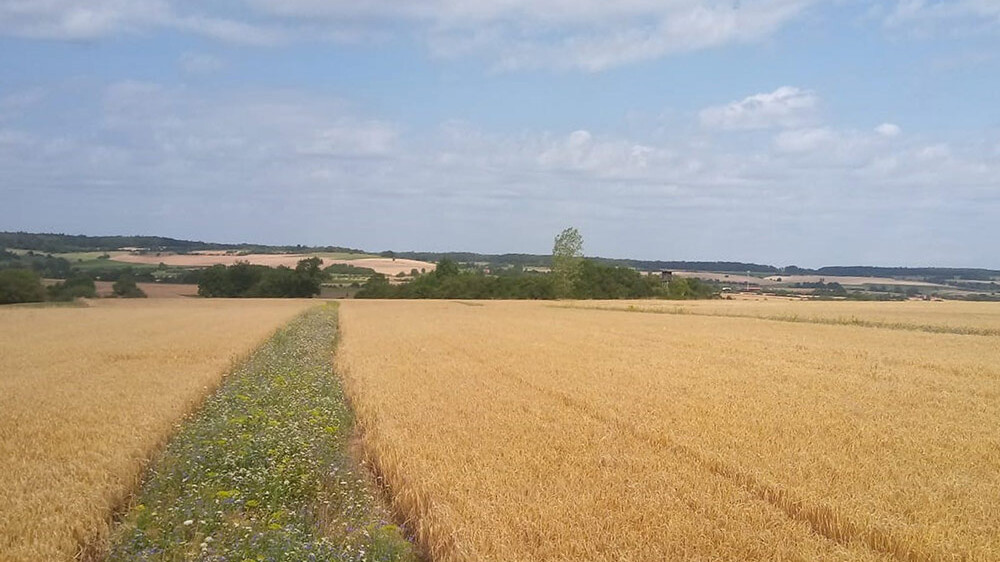
Improving biodiversity in wheat cultivation in Bliesgau (Saarland) by applying the basic set of biodiversity criteria. Part of the insect-promoting region Bliesgau in the EU LIFE project “Insect-Responsible Regions”.
Project overview
Company
Nestlé Germany
Participating organization
Global Nature Fund
Pilot project duration
June 2022 – November 2023
Location
Bliesgau, Saarland
Number of farms
9
Pilot crop area
245 ha
Selected measures
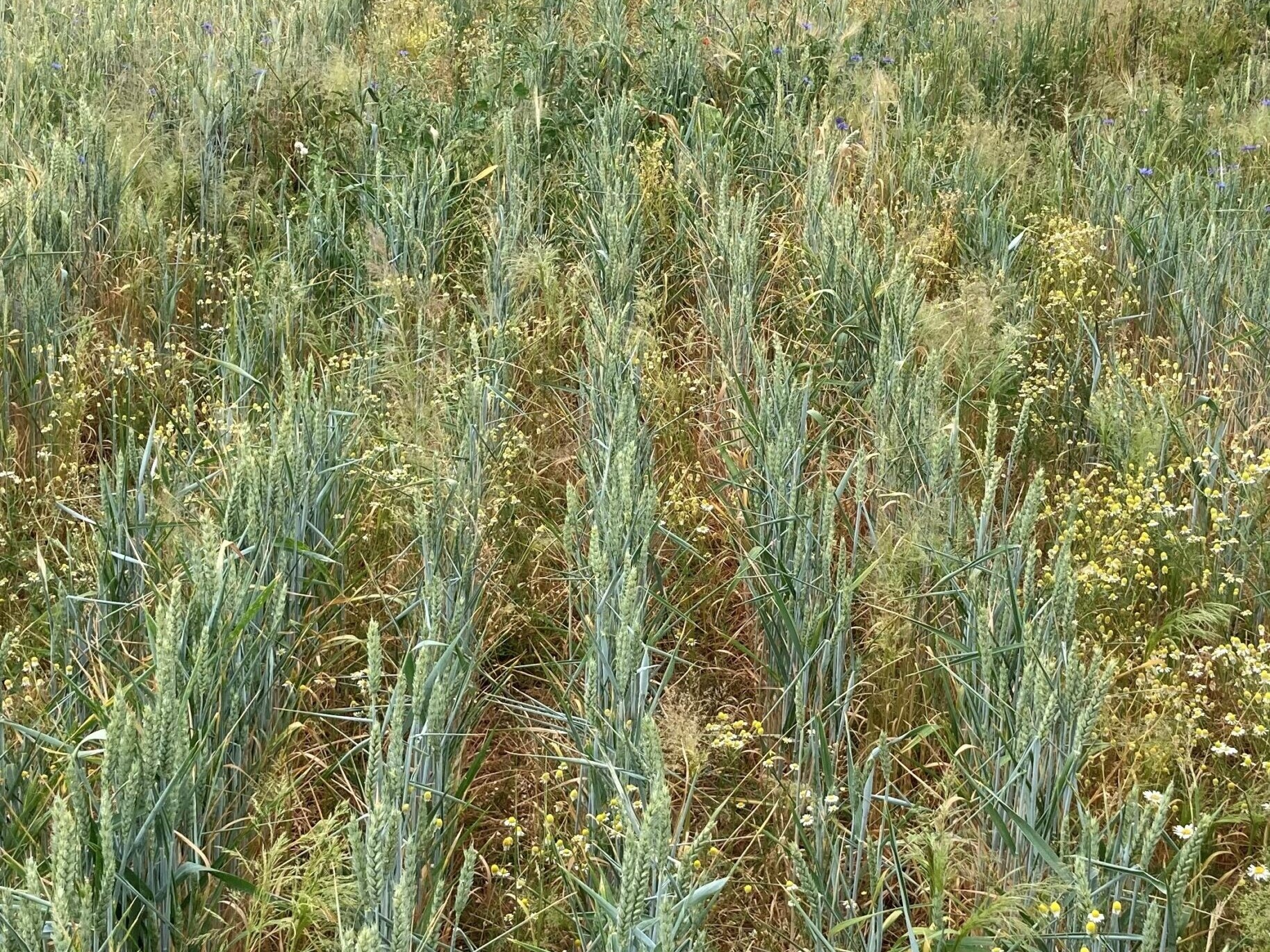
Wide-row spacing in cereals
In this measure, winter wheat was sown in wide rows. A maximum of 70% of the usual sowing density for wheat was used. Due to the looser wheat stand, flowering weeds such as chamomile, cornflower, and poppy were able to establish themselves on the rather lean sites.
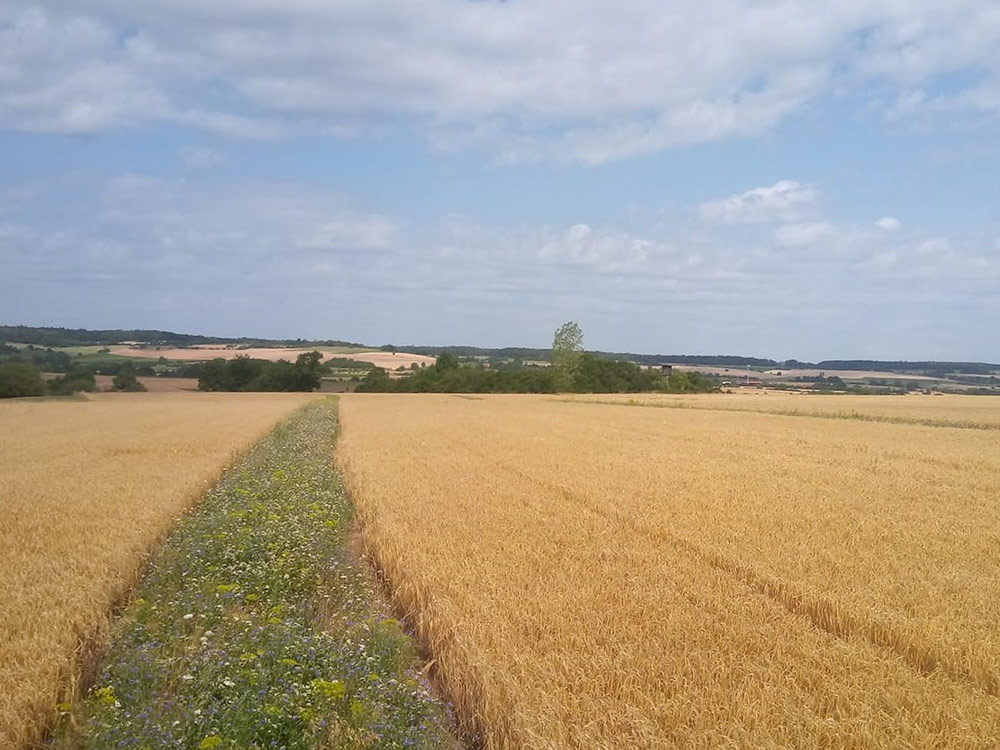
Beneficial insect strips to subdivide large fields
By creating beneficial insect strips in cereals, the aim is to attract natural predators (e.g., ladybugs and hoverflies as aphid consumers) of cereal pests and thus reduce the use of insecticides.
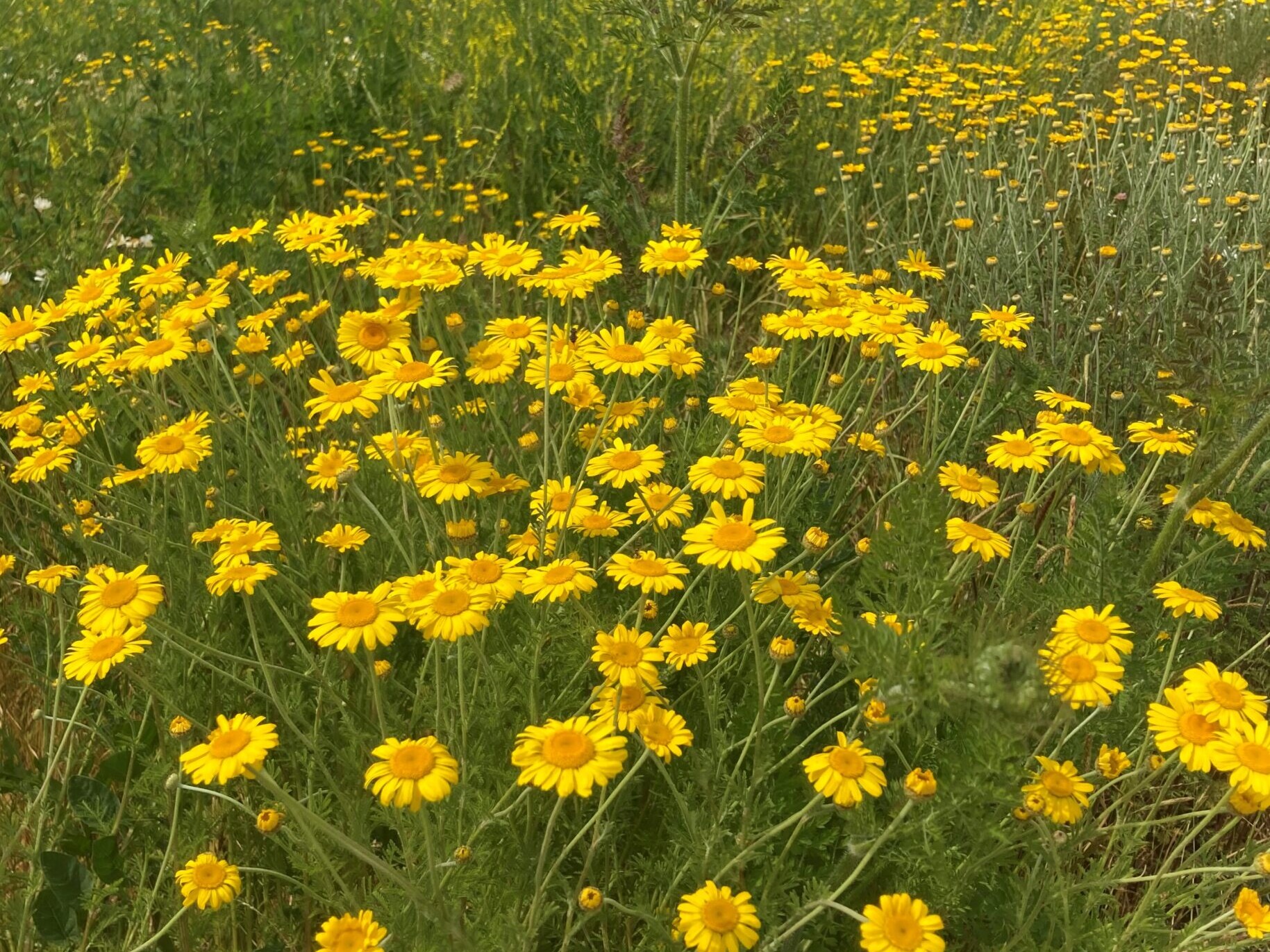
Perennial flowering areas with native wild plants
Perennial flowering areas are particularly valuable for insects, as they contain many native plant species and can thus serve as a food source for a variety of insects.
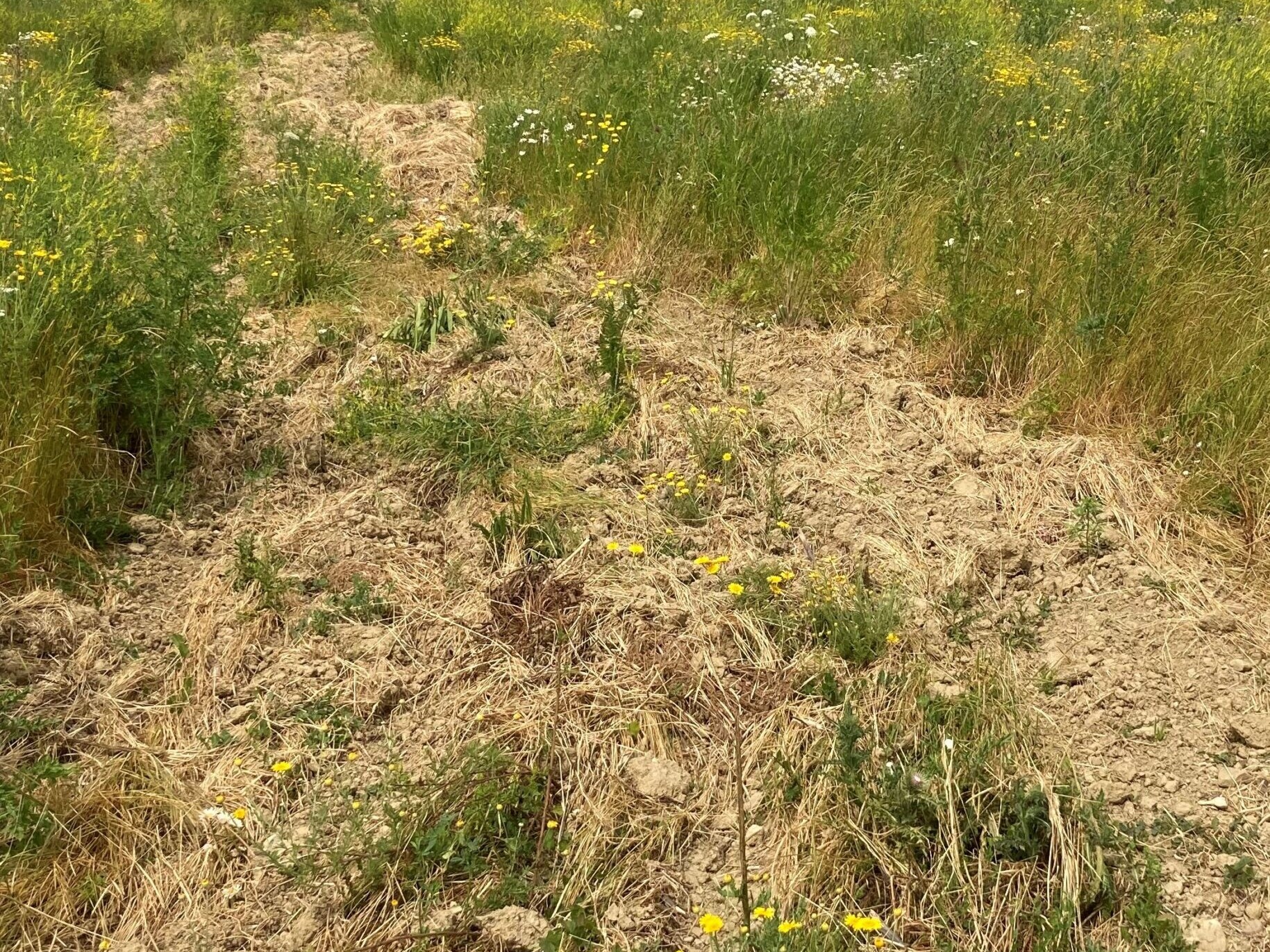
S-shaped corridor in perennial flowering areas
An S-shaped corridor is a measure to protect birds. By mulching or harrowing the corridor twice a year in spring and summer, the vegetation is kept open. This makes it easier for birds to land. Due to the curved S-line, the open area is not completely visible to predators.
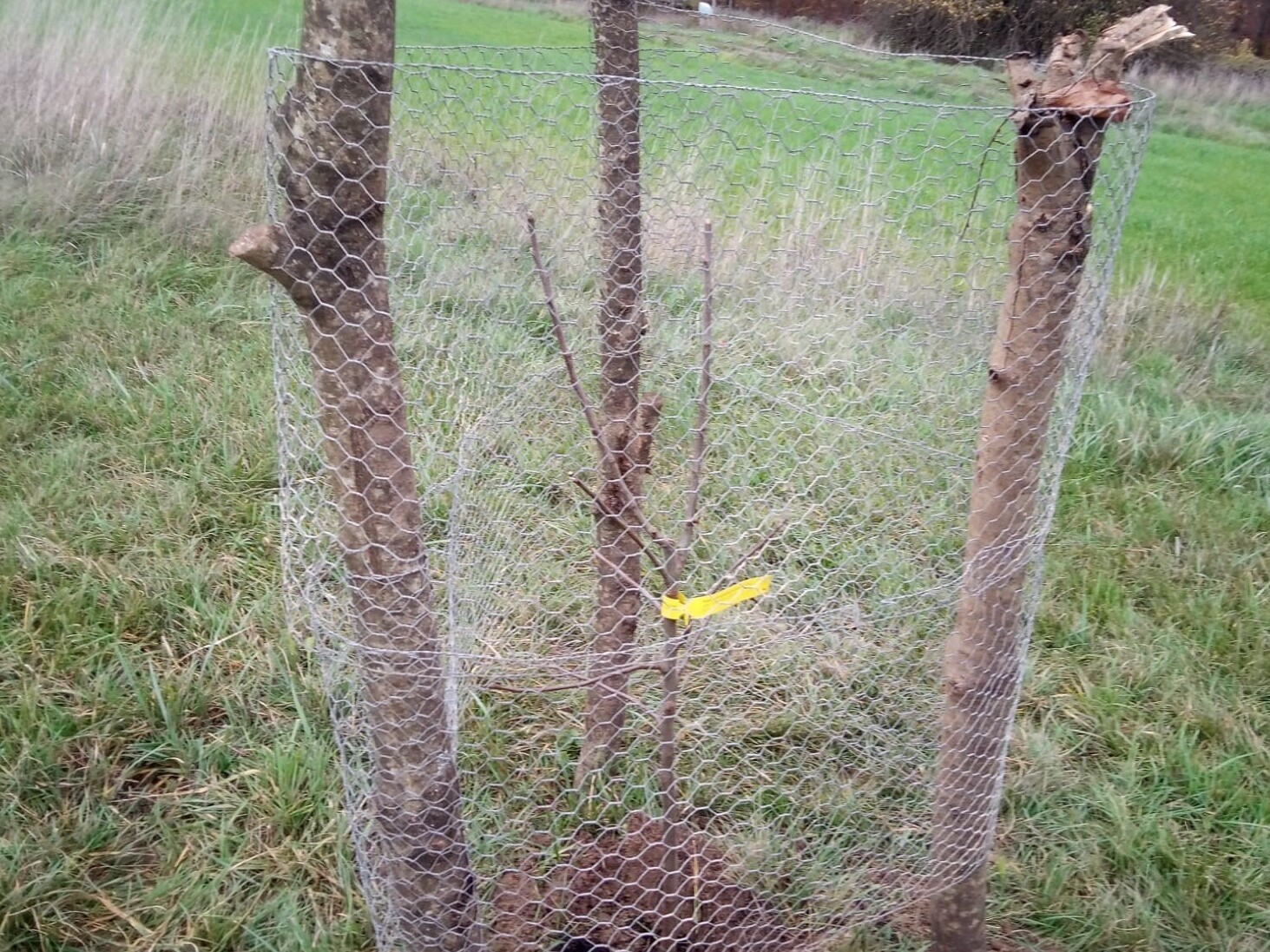
Planting of 14 individual trees
To increase the proportion of woody plants near the fields, trees of various varieties were planted. Old native fruit varieties were chosen, providing added value for both humans and nature.
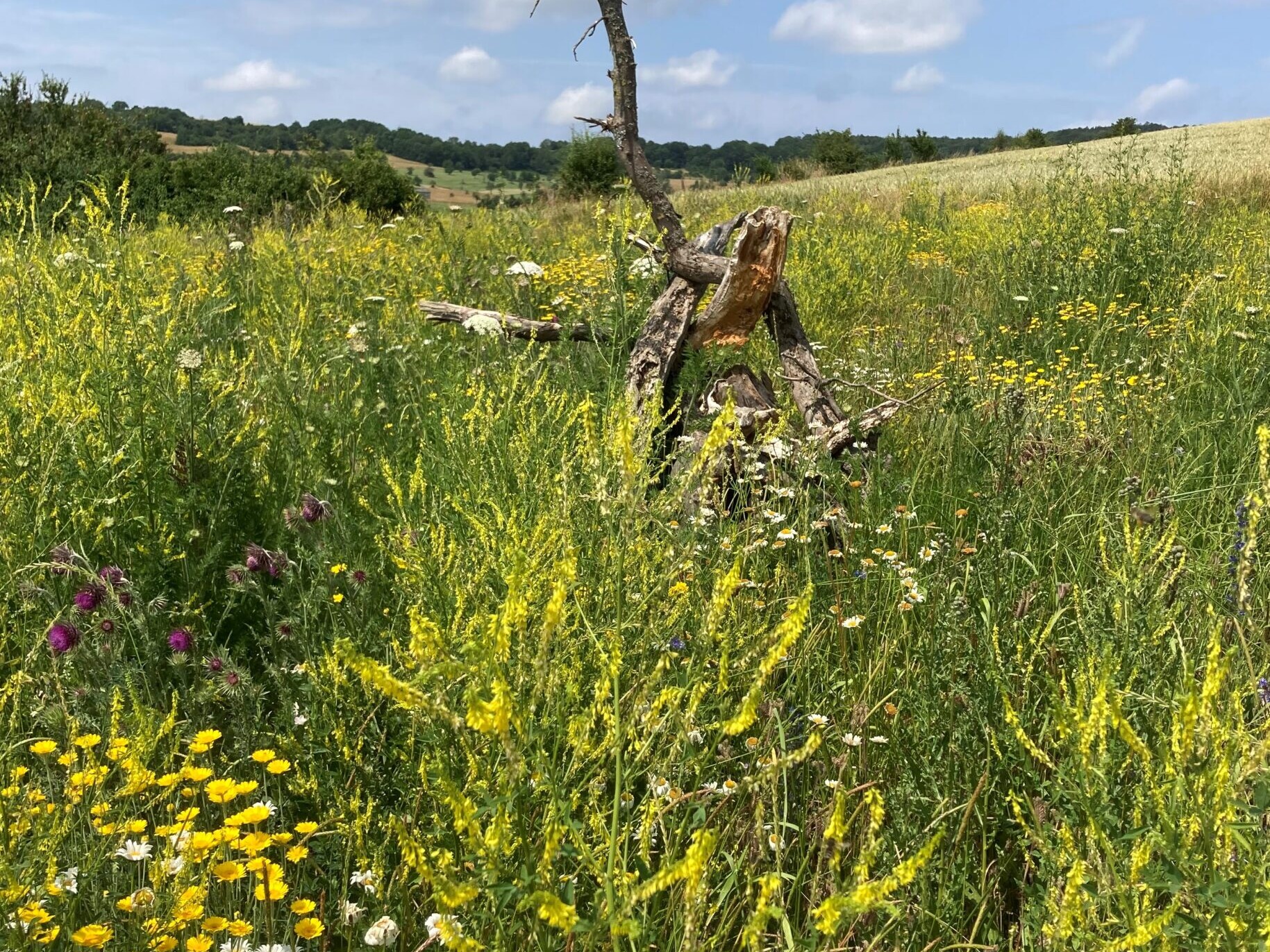
Deadwood in perennial flowering areas
The perennial flowering areas were further enhanced by deadwood elements. Placing the deadwood upright supports insects that prefer this, as standing deadwood is now rarely left in place.
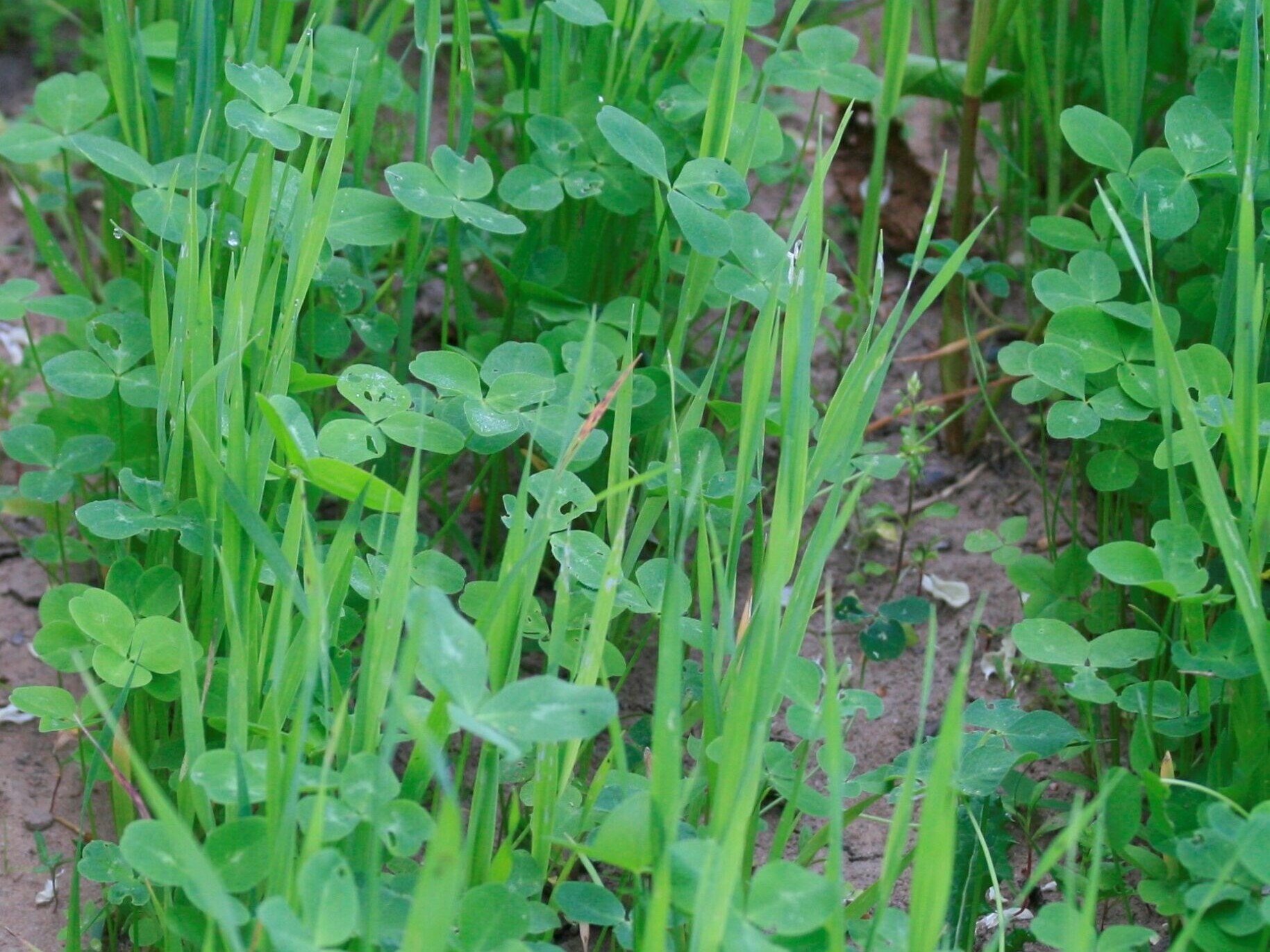
Legume undersowing in cereal cultivation
Legume undersowing in winter cereals aims to reduce the use of fertilizers. In the project, red clover was sown simultaneously with the cereal (in this case, oats) using a seed drill.
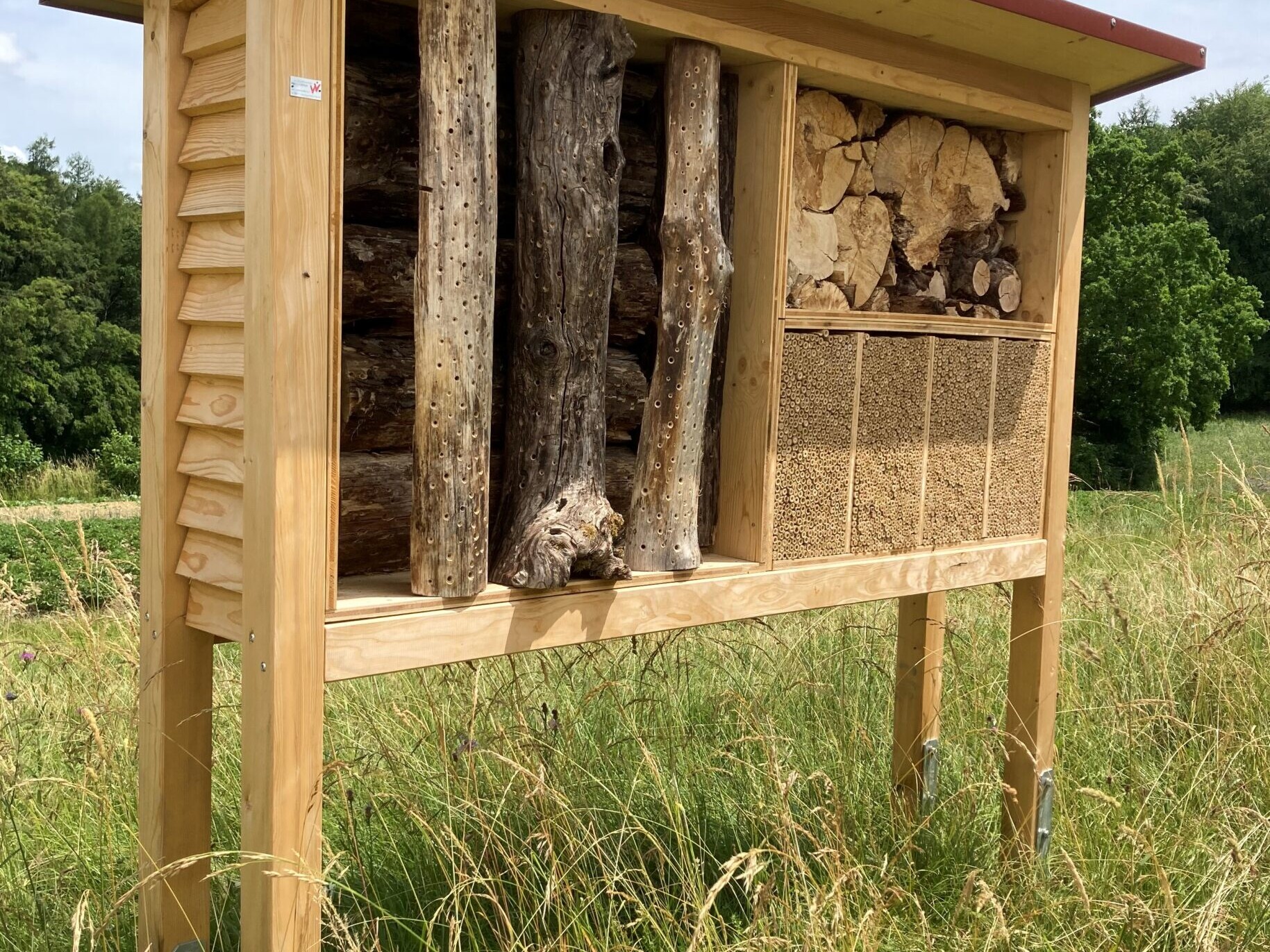
Wild bee hotel
The wild bee hotel was set up as a display object for interested citizens in the region. It provides information that wild bees often have their habitat in sandy soils, on steep banks, or in deadwood. It was installed to bring this topic closer to interested parties.
Training and further activities
Training on wild bees and insect identification
Training on various insect-friendly measures in arable farming
Monitoring of wild bees to verify the success of the measures
Inspection of flowering areas and technical discussion, as well as the development of regionally adapted flowering mixtures
Practical demonstration of a modern cutter bar mower with an automated grinding machine
Pilot project successes
Measures that challenge established principles of modern intensive agriculture could be tested. This applies, for example, to the creation of beneficial insect strips to subdivide large fields. In this way, a goal often pursued by farmers for decades—to create the largest possible monoculture areas—is reinterpreted and changed in favor of positive factors for biodiversity.
The pilot project ensured an improved understanding of the value and background of various perennial flowering mixtures. Since farm managers can decide anew each year whether they wish to plow them up or not, many are willing to wait a little longer even as weeds progress, which meant the measure offered an advantage in its high flexibility.
As part of the wild bee monitoring, 33 wild bee species were documented for the first time in Saarland. In addition to checking the effect of perennial flowering areas on the wild bee fauna, the monitoring thus made a decisive contribution to recording regional diversity.
Contact
Nestlé Germany
Press office: presse@de.nestle.com
Global Nature Fund
Jenja Kronenbitter: kronenbitter@globalnature.org