Welcome to Fit for Biodiversity
EU Project for Biodiversity in the Food SectorLIFE23-GIE-DE-LIFE BGP Food

The EU LIFE project Fit for Biodiversity, officially named Biodiversity Governance and Performance in the Food Sector, aims to significantly improve biodiversity management in the food industry. This will achieve a significant reduction in negative impacts and make an important contribution to biodiversity protection and ecosystem restoration. The project contributes to the goals of the International Convention on Biological Diversity agreed upon in November 2022.

What is it about?
Fit for Biodiversity strengthens biodiversity in the food sector, because sustainable food production creates more biological diversity. More biodiversity leads to better and safer food. Our food production is unthinkable without biodiversity – which is why the EU project Fit for Biodiversity has set the following goals:

Improved biodiversity performance in food production

Effective incentive programs from companies for farmers

Meaningful use of Biodiversity Credits for insetting programs

Overviews of tools & Key Performance Indicators for biodiversity assessment

Training for executives, CSR managers, auditors, and accountants

Strengthening national initiatives for biodiversity protection (EU-wide)
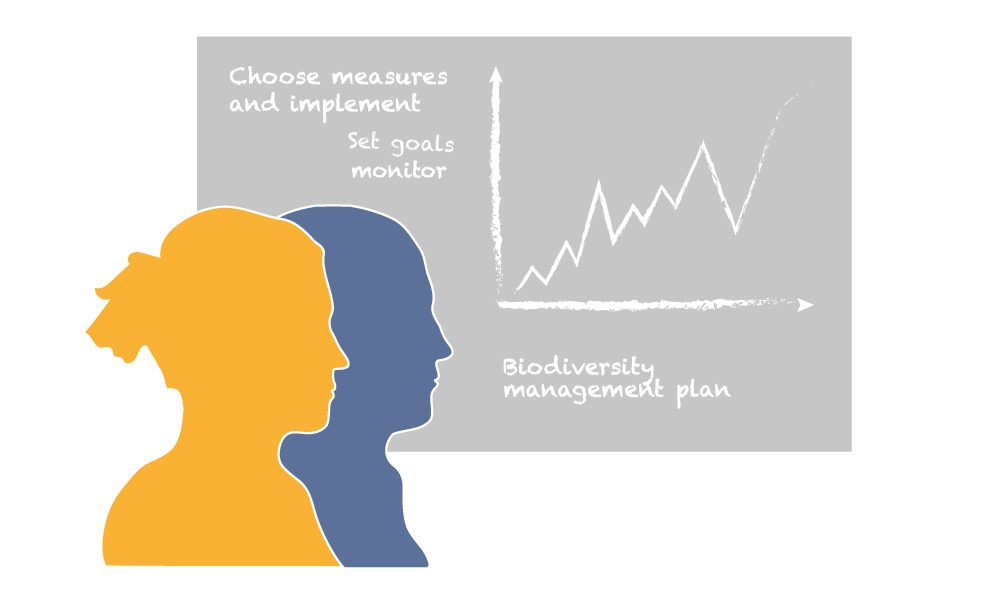
Training
How can actors in the food sector improve their biodiversity performance while making an effective contribution to biodiversity protection?
The “Fit for Biodiversity” project is aimed at executives, CSR managers, as well as auditors and accountants in the food sector. The goal of the training courses is to support specialists and managers in strengthening their companies’ biodiversity performance and meeting current and future requirements.
The Global Nature Fund and the Lake Constance Foundation offer free online training courses that provide practical and concise knowledge. The training courses are tailored to the needs of the respective target group and offer concrete recommendations for action.
We will equip you to improve biodiversity performance in your company and make informed, more sustainable decisions.
The free training consists of four modules, each 60 minutes long, covering the following topics:
- What is biological diversity and why is it essential, especially for the food sector?
- An overview of biodiversity agreements and their impact on the food sector
- Main causes of biodiversity loss – A look at the drivers and their role in the food sector
- Supply chains with high risks for biological diversity: What does this mean for the food sector?
- Biological diversity and purchasing behavior: How do I use this topic for my company?
- Important food standards and their added value for biological diversity
- Effective incentive systems for implementing measures with farmers
- Meaningful use of Biodiversity Credits in insetting programs
Further information and registration for executive training can be found on the Global Nature Fund website.
We will equip you to advance biodiversity protection in your company and meet current and future EU biodiversity requirements (e.g., CSRD E4).
The free training consists of four modules, each 60 minutes long, covering the following topics:
- What is biological diversity and why is it essential, especially for the food sector?
- An overview of biodiversity agreements and their impact on the food sector
- Main causes of biodiversity loss – A look at the drivers and their role in the food sector
- Supply chains with high risks for biological diversity: What does this mean for the food sector?
- Biological diversity and purchasing behavior: How do I use this topic for my company?
- Conducting a materiality analysis and biodiversity risk assessment
- Measuring and evaluating biodiversity performance in companies: Tools and indicators (e.g., Encore, WWF Biodiversity Risk Filter)
- Developing goals and measures to improve biodiversity performance
- New reporting obligations for biodiversity: CSRD (E4 Biodiversity & Ecosystems) and upcoming sector-specific requirements for the food and beverage industry
- International frameworks for sustainability management and sustainability reporting (SBTN, TNFD)
- Integration of biological diversity into environmental or sustainability management
- Important food standards and their added value for biological diversity
- Effective incentive systems for implementing measures with farmers
- Meaningful use of Biodiversity Credits in insetting programs
Further information and registration for executive training can be found on the Global Nature Fund website.
The Lake Constance Foundation will equip you to competently support companies in preparing and evaluating sustainability and CSRD reports. In this training, you will learn how to conduct sound assessments and certifications based on appropriate criteria.
The free training consists of three modules, each 90 minutes long.
The modules provide background knowledge on legal requirements, impacts and dependencies of the food sector on biological diversity, as well as materiality and risk analysis. In addition, practical goals, measures for avoidance, reduction, transformation and compensation, as well as relevant
The Lake Constance Foundation will equip you to competently support companies in preparing and evaluating sustainability and CSRD reports. In this training, you will learn how to conduct sound assessments and certifications based on appropriate criteria.
The free training consists of three modules, each 90 minutes long.
The modules provide background knowledge on legal requirements, impacts and dependencies of the food sector on biological diversity, as well as materiality and risk analysis. In addition, practical goals, measures for avoidance, reduction, transformation, and compensation, as well as relevant performance indicators for monitoring, are covered. Challenges and solutions, as well as the integration of biodiversity into environmental and sustainability management systems, complete the program.
Get ready to advise and help companies set ambitious goals for biodiversity protection!
Further information and registration for CSR manager training can be found on the Lake Constance Foundation website
Biodiversity Measurement
How can companies record and evaluate biodiversity?
Justus Liebig University supports companies in the food sector in identifying suitable tools for this task. The focus is on both risk assessment for biodiversity (impacts) and for the companies themselves (dependencies), as well as the evaluation of measures and activities to promote biodiversity.
For long-term success monitoring of companies’ biodiversity commitment, it is important to regularly collect relevant data. For this purpose, Justus Liebig University is working on a list of key figures for the food sector. This list of “Key Performance Indicators,” together with recommendations on data sources and necessary framework conditions for biodiversity monitoring, helps companies achieve their biodiversity goals.


Biodiversity Credits
How do Biodiversity Credits work and how can they financially support actors in the agricultural supply chain?
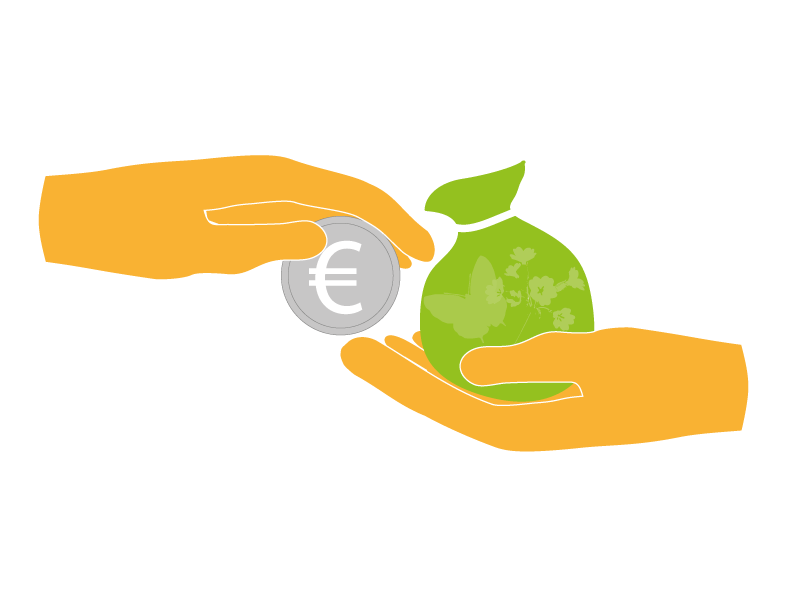
Biodiversity Credits are market-based instruments that represent measurable, evidence-based, and verifiable results of measures for the protection, restoration, or promotion of biological diversity. These credits are generated through certified projects and can be acquired by companies to demonstrate their commitment to nature-positive practices. Integrated into agricultural supply chains, they can directly support farmers financially – for example, through payments for the implementation of regenerative farming methods or the protection of habitats – and thus contribute to improving the ecological balance of the entire supply chain.
As part of the Fit for Biodiversity project, Meo Carbon Solutions supports companies in the food industry in strategically integrating biodiversity restoration measures using Biodiversity Credits into their corporate goals. By promoting credit systems and insetting initiatives within European agricultural supply chains, the project contributes to the establishment of sustainable business practices.
Incentives
How can corporate incentive systems be designed to encourage more farms to implement biodiversity protection measures on their land?
Various incentive systems already exist that demonstrate how farms can be motivated to manage their fields and operations in a more biodiversity-friendly way. How are these systems structured, and which ones work particularly well? What do companies need to consider when designing such programs? The Lake Constance Foundation answers all these questions in a guideline. A short video complements the guideline and showcases positive examples.
In addition to these examples, the guideline also addresses the financial aspect: What does a specific biodiversity-promoting measure cost? What costs arise from a corresponding program that, for example, also includes advice for agricultural businesses? And what is the expected benefit for the company? A corresponding cost-benefit analysis complements the research on incentive programs.
Networks
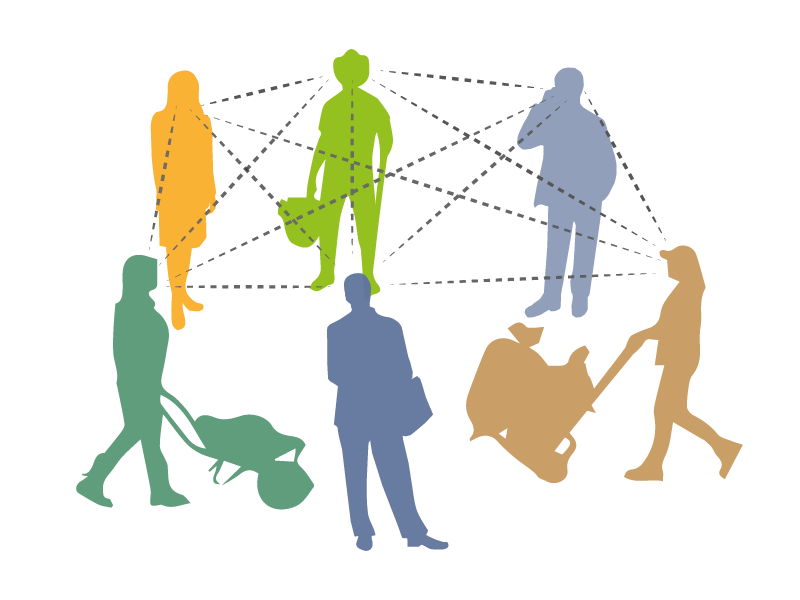
Are you an association, NGO, or network in the food sector that brings companies together? Do you see opportunities to strengthen your biodiversity work by benefiting from our experience in building and leading a multi-stakeholder initiative? Food for Biodiversity supports you with proven tools, training, and a practical toolkit – as well as with knowledge exchange, workshops, and contacts to European and international partners. Together, we can help your members integrate biodiversity into their strategies, create real business value, and contribute to resilient food systems in Europe.
Publications, Tools & Media
The publications section presents the most important results of the “Fit for Biodiversity” project. Here you will find a variety of resources – from practical tools and detailed reports to knowledge videos and recordings of our training courses. This platform offers valuable insights into key topics such as criteria sets in the agricultural sector, effective incentive systems, biodiversity credits, and overviews of tools for recording biodiversity along the entire supply chain.
Contact
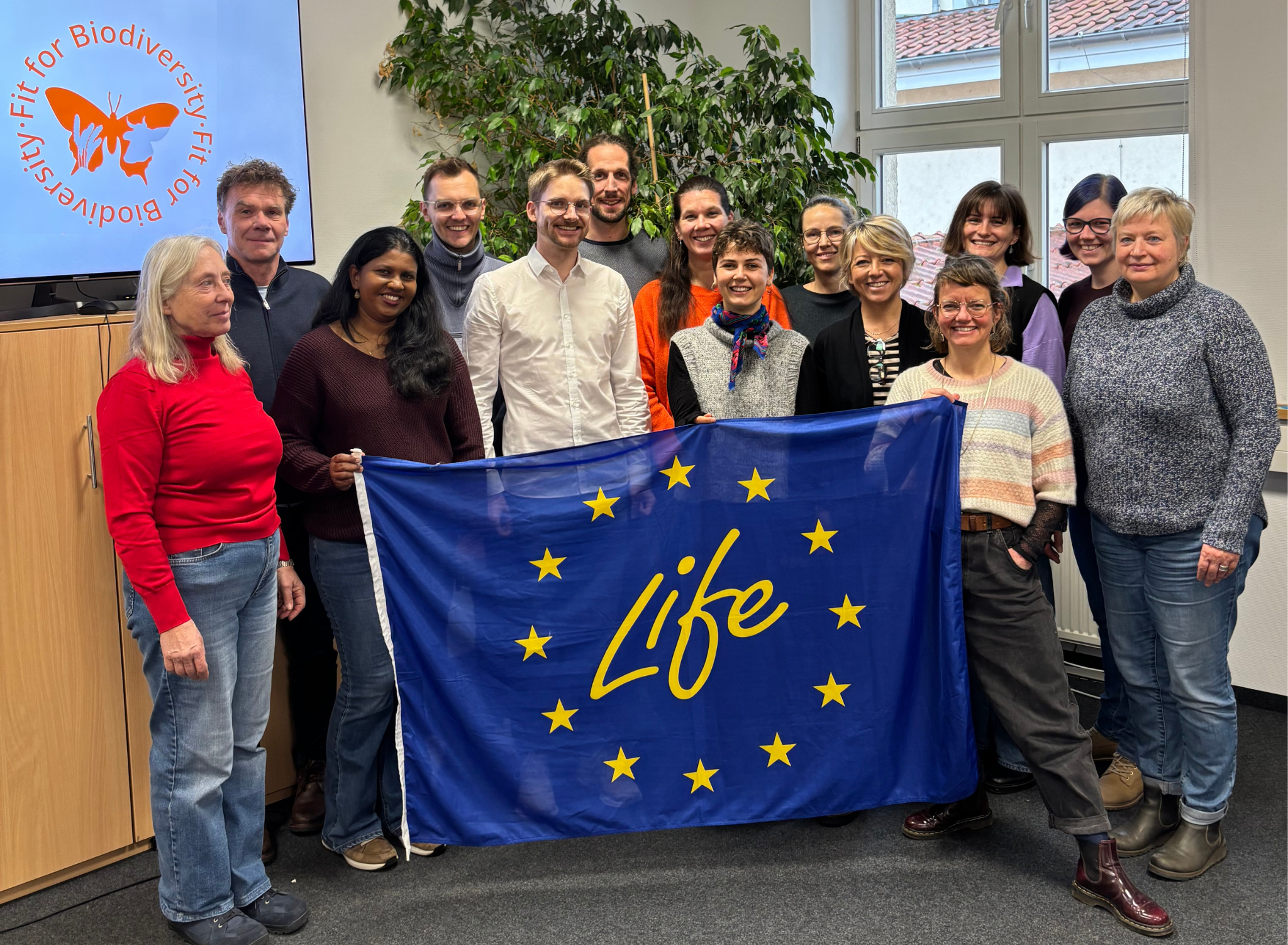
For questions about the overall project:
Global Nature Fund
Jenja Kronenbitter
Project Manager Fit for Biodiversity
For questions about Food for Biodiversity:
Food for Biodiversity
Oliver Peters
Project Manager
Project Partners
The Global Nature Fund (GNF) coordinates the EU LIFE project Fit for Biodiversity, officially named Biodiversity Governance and Performance in the Food Sector. The GNF was founded in Radolfzell in 1998 to advocate for the global protection of lakes and wetlands. Today, the GNF works in the areas of nature conservation, international development, and business & biodiversity. The GNF is strongly committed to insect protection and biological diversity, promoting environmentally friendly practices. In the EU project Fit for Biodiversity, the GNF takes on the coordination.

The Lake Constance Foundation is an environmental protection organization that works project-oriented for more sustainability and nature conservation – regionally, nationally, and internationally. It is active in the fields of energy transition, agriculture & food, nature & water protection, as well as companies & biological diversity, and works closely with stakeholders from business, specialist administrations, municipalities, politics, and other interest groups. It was founded in 1994, and its headquarters are in Radolfzell am Bodensee.
Food for Biodiversity e.V. is an association founded in 2021, comprising companies from the food sector, environmental associations, standard organizations, and scientific institutions. Its goal is to anchor the protection and promotion of biological diversity along the entire value chain of the food industry. They develop practical solutions, foster dialogue between business, science, and environmental organizations, and are committed to a sustainable transformation of the industry.

Meo Carbon Solutions is an independent consulting firm based in Cologne with many years of experience in sustainability. They operate in Europe, Southeast Asia, Africa, and America, carrying out projects for public and private clients. Their projects regularly involve stakeholders from industry, agriculture, NGOs, research institutions, and authorities.

Justus Liebig University Giessen (JLU) The JLU contributes its scientific expertise in agricultural sciences and biodiversity to the project. It supports the development and evaluation of biodiversity-promoting measures on farms and contributes to the scientific foundation of practical approaches in the food value chain.
Advisory Board
With financial support from

This project was partially funded by the LIFE Programme of the European Union. More information under Grand Agreement Number 101148484. However, the views and opinions expressed are solely those of the author(s) and do not necessarily reflect those of the European Union or CINEA. Neither the European Union nor the granting authority can be held responsible for them.
Premium Partner